10% Discount
Kawaii Fashion
Lets look at Kawaii Fashion
1/4/20263 min read
The Whimsical World of Kawaii Fashion: Embracing Cute Culture
Introduction:
Kawaii fashion is more than just a style; it’s a cultural phenomenon rooted in the captivating allure of all things cute. Originating in Japan, this whimsical aesthetic has captured hearts globally, transforming everyday fashion into a playful expression of individuality and joy. Let’s dive into the enchanting world of Kawaii fashion, exploring its origins, defining elements, and widespread appeal.
Section 1: Origins of Kawaii Fashion
1.1 The Cultural Roots of Kawaii
The term "Kawaii," which means "cute" in Japanese, first gained popularity in the 1970s and is deeply embedded in Japan's pop culture. This trend was initially sparked by the youth's use of playful, childlike handwriting styles and cute illustrations in school. Over time, this aesthetic evolved beyond academia, infiltrating various aspects of Japanese culture, from toys and cartoons to fashion and lifestyle.
Key to the rise of Kawaii was the emergence of icons like Hello Kitty, whose simple designs and universal appeal resonated with young audiences, cementing Kawaii as a defining cultural export.
1.2 Evolution into a Fashion Movement
As Japanese pop culture expanded globally, so did Kawaii’s influence on fashion. Brands like Sanrio capitalized on the growing fascination with cuteness, producing a range of merchandise that brought Kawaii into everyday life. By the 1980s and 1990s, Kawaii fashion had developed into a distinct style, characterized by pastel colors, playful patterns, and the incorporation of cute motifs.
Tokyo’s Harajuku district became a hotspot for avant-garde and Kawaii fashion, with young people experimenting and showcasing their creativity through unique, playful outfits.
Section 2: Key Elements of Kawaii Fashion
2.1 Defining the Kawaii Aesthetic
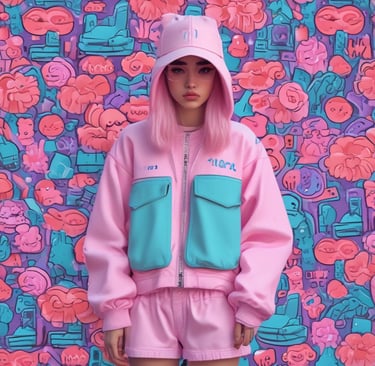
At the heart of Kawaii fashion lies the ethos of cuteness and playfulness. This style is marked by bright pastels, oversized garments that add a sense of whimsy, and an emphasis on comfort and innocence. Accessories often mirror this aesthetic, featuring plush toys, bows, and characters from popular Japanese media.
Fabrics are chosen for their texture and colors—think fluffy cardigans, tulle skirts, and vivid, cartoonish prints that evoke a sense of playfulness and joy. The layering of clothing to create textured, dimensional looks is also a hallmark of the Kawaii fashion scene.
2.2 Personal Expression and Subgenres
Kawaii fashion is not monolithic and includes various subgenres, allowing for personal expression. For example, Lolita fashion—another facet of Kawaii—is known for its Victorian and Rococo-inspired dresses, frills, and petticoats, offering a more elegant take on cuteness.
Decora, on the other hand, is characterized by an eclectic mix of colors and an abundance of accessories, creating a vibrant, over-the-top look that celebrates maximalism. Each subgenre reflects individual preferences, encouraging creativity and self-expression.
Section 3: The Global Influence and Adaptation of Kawaii Fashion
3.1 From Japan to the World
While rooted in Japanese culture, Kawaii fashion has transcended geographical boundaries. The early 2000s saw an explosion of interest in Kawaii aesthetics in the West, fueled by the global reach of anime and manga. Social media platforms have further accelerated this trend, allowing fashion enthusiasts to connect and share their Kawaii-inspired outfits worldwide.
Popular culture icons and celebrities have embraced Kawaii fashion, from music videos to red carpet appearances, amplifying its reach and visibility. The playful aesthetic has even made its way into mainstream fashion collections, influencing trends such as pastel goth and nu rave.
3.2 Kawaii in Contemporary Fashion
Today, Kawaii fashion remains a dynamic and evolving style. Many brands and designers draw inspiration from Kawaii elements, incorporating cute motifs and pastel palettes into modern collections. The style's focus on positivity and individuality aligns with contemporary values, appealing to a broader audience seeking lighthearted fashion that defies conventions.
Kawaii fashion also resonates with the growing popularity of "soft" and "gentle" aesthetics in digital culture, reflecting a collective desire for comfort and joy amidst life's challenges.
Section 4: The Future of Kawaii Fashion
4.1 Sustainability and Innovation
As fashion shifts towards sustainability, Kawaii fashion is embracing this evolution. Eco-friendly materials and ethical production methods are being integrated into Kawaii brands, allowing enthusiasts to express their style while prioritizing environmental responsibility.
With advances in fashion technology, virtual and augmented reality offer new avenues for Kawaii enthusiasts to experiment with their looks in digital spaces, expanding creative possibilities and accessibility.
4.2 The Enduring Appeal of Kawaii
Kawaii fashion will likely continue to captivate audiences with its enchanting blend of whimsy and individuality. Its enduring appeal lies in its universality—the ability to infuse everyday life with a touch of magic and joy. As long as there’s a desire for playfulness and self-expression, Kawaii fashion will remain a beloved cultural staple.
Conclusion:
Kawaii fashion stands as a testament to the power of cuteness and creativity, transcending cultural boundaries to inspire a global community. With its roots in joyful self-expression, this vibrant and ever-evolving style invites us to embrace the lighter side of life—one adorable accessory at a time.
VibeShift Merch
Contact
Newsletter
vibeshiftculture@gmail.com
© 2025. All rights reserved.