10% Discount
Vaporwave Fashion
Vaporwave and its roots
1/4/20263 min read
Exploring Vaporwave Fashion: A Journey into Nostalgia and Neon Dreams
Introduction:
Vaporwave fashion is more than just a trend; it's a cultural phenomenon that encapsulates an era of digital nostalgia, blending elements from the 1980s and 1990s with a modern twist. Characterized by its ethereal, retro-futuristic aesthetic, vaporwave fashion draws inspiration from digital art, music, and design, creating a visual experience that is both nostalgic and surreal. Let’s delve into the world of vaporwave fashion and explore its origins, key characteristics, and impact on contemporary style.
Section 1: Origins of Vaporwave Fashion
1.1 The Digital and Musical Roots
Vaporwave emerged as a genre of electronic music in the early 2010s, characterized by its use of retro samples, chopped and screwed effects, and an overall dreamy sound. Artists like Macintosh Plus and Saint Pepsi became synonymous with this genre, crafting auditory landscapes that transported listeners to a nostalgic digital utopia. The music quickly influenced a visual counterpart: vaporwave fashion.
Music videos and album covers contributed significantly to vaporwave's visual identity, filled with glitches, pixelated graphics, and vivid neon colors. This aesthetic resonated with an audience longing for a connection to the past, yet craving something distinctly modern.
1.2 Internet Culture and the Birth of a Subculture
The rise of social media platforms and digital art forums allowed vaporwave culture to flourish and gain traction among online communities. Websites and forums like Tumblr and Reddit became hubs for vaporwave enthusiasts to share artwork, music, and fashion inspiration.
This digital environment nurtured a subculture that embraced and redefined nostalgic imagery, from Windows 95 graphics to old-school anime. The fashion that emerged embraced these elements, leading to unique stylistic expressions in clothing and accessories.
Section 2: Key Characteristics of Vaporwave Fashion
2.1 Nostalgic and Retro Futurism
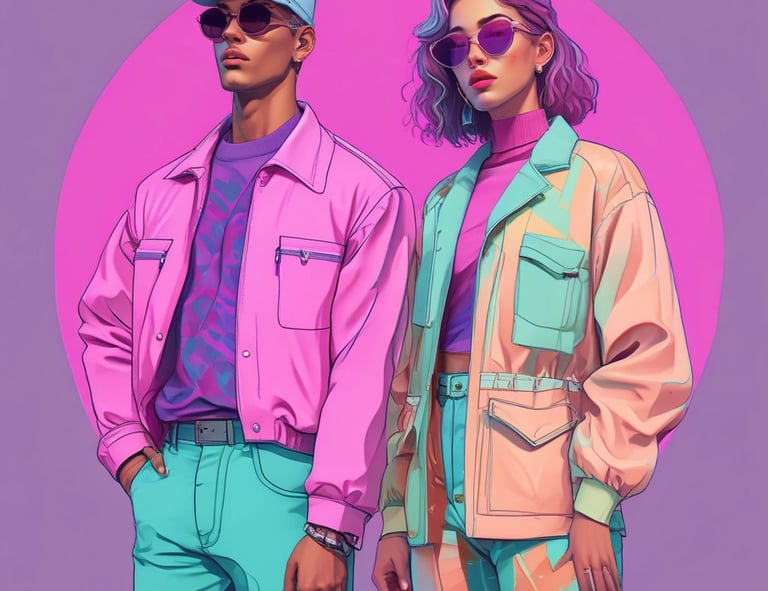
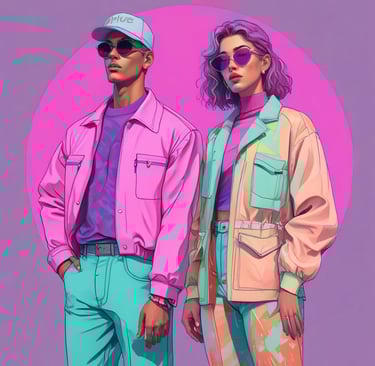
At the heart of vaporwave fashion lies a deep sense of nostalgia combined with retro-futuristic influences. Key elements include pastel hues, neon accents, and glitch-inspired patterns, all reminiscent of 1980s and 1990s digital technology and pop culture.
Garments often feature bold, abstract graphics, perhaps printed with computer motifs or classical busts akin to those found in vaporwave album art. This blending of eras creates a time-capsule effect that is uniquely engaging and visually striking.
2.2 Embracing the Unconventional
Vaporwave fashion is known for its willingness to embrace the unconventional. Layering is common, with outfits often featuring oversized silhouettes, loose-fitting fabrics, and a mix of textures. Accessories like vintage sunglasses, futuristic visors, and chunky sneakers are popular choices, contributing to the overall playful and eclectic style.
The subculture’s affinity for reimagining thrifted and vintage clothing plays into its anti-mainstream ethos—a nod to sustainability and individuality that appeals to a diverse audience.
Section 3: The Influence of Vaporwave Aesthetics on Popular Fashion
3.1 From Niche to Mainstream
Vaporwave fashion, once a niche interest confined to the depths of the internet, has permeated mainstream culture in recent years. High-fashion brands and designers have drawn inspiration from its aesthetic, incorporating elements like pastel palettes, neon motifs, and retro graphics into collections and runway shows.
The influence is visible in streetwear collaborations with vaporwave visual artists and music producers, broadening its appeal and accessibility. This adoption by mainstream fashion demonstrates the cultural relevance and impact of vaporwave's nostalgic charm.
3.2 Cultural Impact and Digital Art
In addition to influencing fashion, vaporwave has significantly impacted digital art and visual design. Its distinct style has inspired a new generation of artists and creatives, spanning graphic design, videography, and multimedia productions.
Present in video games, advertisements, and music videos, vaporwave’s aesthetic encourages experimentation and digital expression. As a result, it remains a thriving, evolving form that continues to shape contemporary visual culture.
Section 4: Vaporwave Fashion Today and its Future
4.1 Current Trends and Adaptations
Today’s vaporwave fashion has diversified, reflecting both its origin and contemporary interpretations. Trends such as holographic fabrics, cyberpunk influences, and even nods to Y2K aesthetics have merged into the broader vaporwave umbrella, evolving to meet changing tastes and technological advancements.
Collaborations with sustainable fashion brands illustrate the subculture's progressive roots and adaptability, appealing to the environmentally conscious consumer.
4.2 Looking Ahead: The Future of Vaporwave
As technology advances and digital culture further infiltrates daily life, vaporwave fashion's evolution seems promising. It offers an alluring yet approachable escape through the lens of clothing and accessories, with each piece telling a story rich in past and present narratives.
The future of vaporwave fashion likely entails continued experimentation with virtual fashion tech, expanding its presence in digital art and metaverse experiences. Its enduring allure lies in its ability to marry nostalgia with innovation, continually resonating with a digitally connected world eager to reimagine the past and embrace the future.
Conclusion:
Vaporwave fashion stands as a testament to the enduring power of nostalgia, creativity, and the desire for unique self-expression. Born from digital and musical roots, it evolved into a dynamic fashion movement with a lasting cultural imprint. As it transcends its subcultural origins and influences mainstream fashion, vaporwave will continue to enchant and inspire with its neon dreams and nostalgic melodies.
VibeShift Merch
Contact
Newsletter
vibeshiftculture@gmail.com
© 2025. All rights reserved.